Please Choose Your Language
Views: 0 Author: Site Editor Publish Time: 2025-11-11 Origin: Site


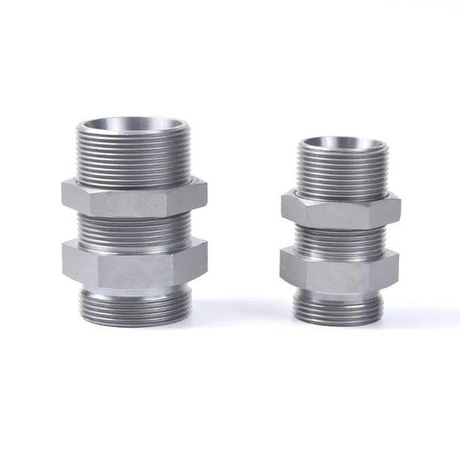
In the realm of hydraulic systems, the importance of selecting the right Hose Fittings cannot be overstated. These components are crucial in ensuring the integrity and efficiency of fluid transfer systems. With a myriad of options available, ranging from 20411-Y DIN24° Integrated Hose Fitting to 87311 Sae Flange 3000 Psi Hose Fitting, understanding how to match hose fittings with the appropriate hose types is essential for system reliability and performance. This guide aims to provide a comprehensive step-by-step approach to achieving this match, highlighting the key considerations and best practices.
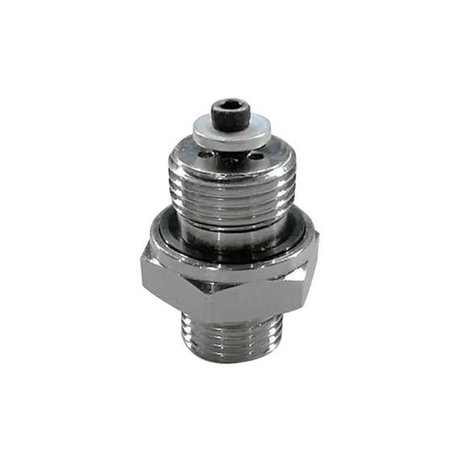
Hose fittings are connectors used to join hoses to various components such as pumps, valves, and other hoses. They are designed to withstand high pressure and are available in different materials, sizes, and configurations. The selection of a fitting is influenced by factors such as the type of fluid being transferred, the operating pressure, and the environmental conditions. For instance, a 87611 Sae Flange 6000 Psi Hose Fitting is suitable for high-pressure applications, while a 16711 Jic Male 74° CONE Hose Fitting might be preferred for its sealing capabilities in hydraulic systems.
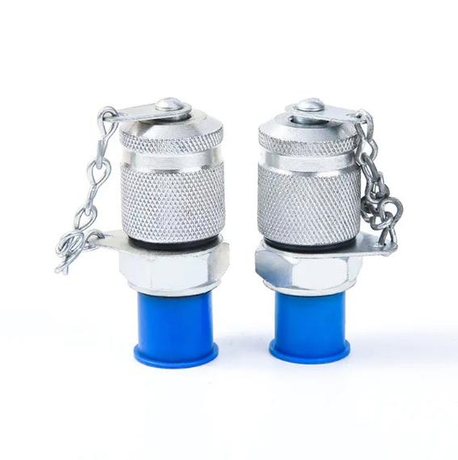
Hose fittings come in various types, each designed for specific applications. Common types include threaded hose fittings, quick-connect hose fittings, and flange hose fittings. Threaded hose fittings, such as NPT and BSP, are widely used for their ease of installation and strong seal. Quick-connect fittings offer the advantage of rapid connection and disconnection, making them ideal for applications requiring frequent maintenance. Flange fittings, on the other hand, are used in high-pressure systems where a robust and leak-proof connection is critical.
The material of a hose fitting plays a significant role in its performance and durability. Common materials include stainless steel and carbon steel. Stainless steel fittings offer excellent resistance to corrosion and high temperatures, making them ideal for harsh environments. Carbon steel fittings are known for their strength and are often used in high-pressure hydraulic systems. The choice of material should align with the application's specific requirements to ensure longevity and reliability.
Matching hose fittings with the appropriate hose types involves understanding the specifications and requirements of both components. The process begins with identifying the type of hose, which could be rubber, thermoplastic, or PTFE, among others. Each hose type has unique characteristics that influence the choice of fitting. For example, rubber hoses are flexible and suitable for a wide range of applications, while PTFE hoses are used in high-temperature environments due to their excellent thermal resistance.
The following steps outline the process of matching hose fittings with hose types:
Step 1: Identify the Hose Type
Determine the type of hose you are working with. Consider factors such as the material, size, and intended application. This information is crucial in selecting a compatible fitting.
Step 2: Determine the Operating Conditions
Evaluate the operating conditions, including pressure, temperature, and fluid type. These factors will influence the choice of fitting material and design.
Step 3: Select the Appropriate Fitting Type
Based on the hose type and operating conditions, select a fitting type that offers the necessary performance characteristics. Consider options such as threaded, quick-connect, or flange fittings.
Step 4: Ensure Compatibility
Verify that the fitting is compatible with the hose in terms of size and material. Compatibility ensures a secure and leak-proof connection.
Step 5: Test the Connection
After installation, test the connection under operating conditions to ensure it meets performance expectations. This step is crucial in preventing leaks and ensuring system reliability.
Hose fittings are used in a wide range of applications across various industries. In the automotive industry, they are essential for fuel and hydraulic systems. In agriculture, Hose Fittings in agricultural machinery are used for irrigation and machinery operations. The construction industry relies on hose fittings for heavy machinery and equipment. Additionally, hose fittings are crucial in the oil and gas industry for transporting fluids under high pressure and temperature conditions.
The hose fitting industry is continuously evolving, with innovations aimed at improving performance and reliability. Recent advancements include the development of fittings with enhanced sealing capabilities and corrosion resistance. Manufacturers are also focusing on creating fittings that are easier to install and maintain, reducing downtime and operational costs. These innovations are driven by the need for more efficient and sustainable fluid transfer solutions.
Selecting the right hose fittings is a critical aspect of ensuring the efficiency and reliability of hydraulic systems. By understanding the different types of fittings and their applications, as well as following a systematic approach to matching them with hose types, users can optimize their systems for performance and longevity. For those seeking high-quality fittings, partnering with a reputable Hose Fittings manufacturer is essential. As the industry continues to innovate, staying informed about the latest developments will help users make informed decisions and maintain the integrity of their systems.