Please Choose Your Language


In the realm of industrial machinery and construction equipment, the role of metric adapters is pivotal. These components are essential for ensuring the compatibility and functionality of various systems. Understanding what a metric adapter is, and its applications, can greatly enhance the efficiency and reliability of machinery. This article delves into the specifics of metric adapters, their types, and their significance in construction and industrial settings. For those interested in the latest innovations and applications of metric adapters, the Metric Adapters for Construction Equipment provide a comprehensive overview.
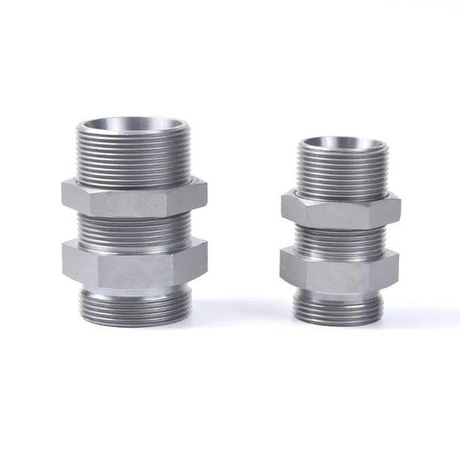
Metric adapters are specialized fittings used to connect different types of piping or tubing systems. They are designed to bridge the gap between varying thread types and sizes, ensuring a secure and leak-free connection. These adapters are crucial in applications where metric and imperial systems need to be integrated. The precision in manufacturing these adapters is vital, as even a slight mismatch can lead to system failures or inefficiencies.
There are several types of metric adapters, each serving specific purposes. Common types include stainless steel metric adapters, carbon steel metric adapters, and those with coatings such as zinc or ZnNi. Stainless steel metric adapters are known for their corrosion resistance and durability, making them ideal for harsh environments. Carbon steel variants, on the other hand, offer strength and are often used in high-pressure applications. The choice between these materials often depends on the specific requirements of the application, including environmental conditions and pressure ratings.
Metric adapters are extensively used in construction equipment to ensure the seamless integration of hydraulic systems. These adapters facilitate the connection of hoses and pipes, which are critical for the operation of machinery such as excavators, bulldozers, and cranes. The reliability of these connections is paramount, as any failure can lead to significant downtime and financial losses. The use of Metric Adapters manufacturer ensures that the equipment operates efficiently and safely.
The choice of material for metric adapters is a critical consideration in construction applications. Stainless steel metric adapters are preferred for their resistance to corrosion and ability to withstand extreme temperatures. In contrast, carbon steel adapters are chosen for their robustness and cost-effectiveness. Additionally, coatings such as zinc and ZnNi enhance the corrosion resistance of carbon steel adapters, making them suitable for use in environments where exposure to moisture and chemicals is a concern.
The manufacturing of metric adapters involves stringent quality control processes to ensure precision and reliability. Adhering to international standards such as ISO and DIN is crucial for manufacturers to maintain the integrity of these components. The production process involves advanced machining techniques and rigorous testing to verify the performance under various conditions. Companies like stainless steel metric adapters and carbon steel with zinc Metric Adapters are at the forefront of innovation, providing high-quality solutions for diverse industrial needs.
Recent advancements in the design of metric adapters have focused on enhancing their efficiency and adaptability. Innovations include the development of adapters with improved sealing mechanisms and the use of composite materials to reduce weight while maintaining strength. These improvements are particularly beneficial in applications where weight and space are critical factors, such as in aerospace and automotive industries.
Despite their widespread use, metric adapters present several challenges, particularly in ensuring compatibility and preventing leaks. The primary challenge lies in the precise alignment and threading of the adapters, which can be affected by manufacturing tolerances and installation practices. To address these issues, manufacturers are investing in precision machining and offering detailed installation guidelines. Additionally, the use of advanced materials and coatings has significantly improved the durability and performance of these adapters in challenging environments.
Several case studies highlight the successful implementation of metric adapters in various industries. For instance, in the oil and gas sector, the use of stainless steel Metric Adapters has proven effective in preventing corrosion and ensuring reliable connections in offshore drilling operations. Similarly, in the automotive industry, carbon steel with ZnNi Metric Adapters have been instrumental in enhancing the performance of hydraulic systems in heavy-duty vehicles.
Metric adapters play a crucial role in the seamless integration of different systems in industrial and construction applications. Their ability to provide reliable connections between varying thread types and sizes makes them indispensable in ensuring the efficiency and safety of machinery. As technology advances, the development of more robust and adaptable metric adapters will continue to meet the evolving demands of various industries. For more information on the latest developments and applications, the carbon steel with zinc Metric Adapters offers valuable insights.