Please Choose Your Language
Views: 0 Author: Site Editor Publish Time: 2025-12-24 Origin: Site


Industrial hose fittings are crucial components in a variety of applications, from hydraulic systems to pneumatic setups. These fittings ensure the secure and efficient transfer of fluids, gases, and other materials, making them indispensable in industrial operations. Understanding the key features that define high-quality industrial hose fittings is essential for selecting the right components for specific applications. This article explores the characteristics that distinguish superior hose fittings, providing insights into their design, materials, and performance. For more detailed information on Hose Fittings, visit our product page.
The material composition of industrial hose fittings significantly impacts their durability and performance. High-quality fittings are typically made from materials such as stainless steel or carbon steel, each offering unique advantages. Stainless steel is renowned for its corrosion resistance, making it ideal for applications involving harsh chemicals or marine environments. Carbon steel fittings are valued for their strength and cost-effectiveness, especially in high-pressure environments. The choice of material should align with the specific demands of the application to ensure longevity and reliability.
Stainless steel fittings are often preferred in industries where corrosion resistance is paramount. This material can withstand extreme temperatures and pressures, making it suitable for demanding applications such as chemical processing and oil and gas industries. The chromium content in stainless steel forms a passive layer of chromium oxide, which prevents surface corrosion and blocks corrosion from spreading into the metal's internal structure. This feature ensures that stainless steel fittings maintain their integrity even in the most challenging environments.
Carbon steel fittings are favored for their strength and affordability. They are commonly used in high-pressure applications where durability is crucial. Carbon steel can be treated with various coatings to enhance its corrosion resistance, making it suitable for a wide range of industrial environments. These fittings are often used in hydraulic systems, where they provide the necessary strength to withstand high pressures without compromising performance.
The design of hose fittings plays a critical role in their performance and suitability for specific applications. High-quality fittings are engineered to provide a secure and leak-free connection, ensuring efficient fluid transfer. The design considerations include the type of connection, sealing mechanism, and compatibility with different hose types. Understanding these design elements is essential for selecting fittings that meet the operational requirements of various systems.
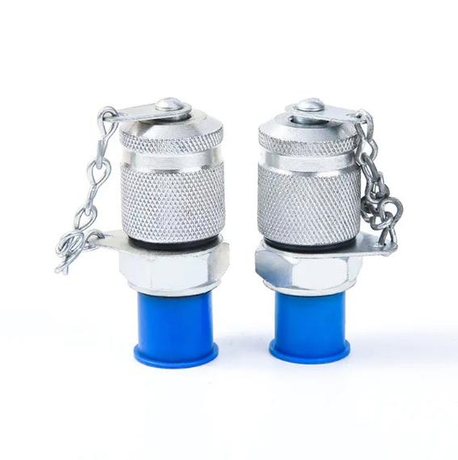
Industrial hose fittings come in various connection types, each designed for specific applications. Common connection types include threaded, flanged, and quick-connect fittings. Threaded fittings provide a secure connection through interlocking threads, making them suitable for high-pressure applications. Flanged fittings offer a robust connection through bolted flanges, ideal for systems requiring frequent disassembly. Quick-connect fittings allow for rapid connection and disconnection, making them convenient for applications where hoses need to be changed frequently.
The sealing mechanism of a hose fitting is crucial for preventing leaks and ensuring system integrity. High-quality fittings employ various sealing technologies, such as O-rings, gaskets, and compression seals. O-rings provide a reliable seal by compressing against the fitting surfaces, preventing fluid leakage. Gaskets are used in flanged connections to create a seal between the mating surfaces. Compression seals are employed in fittings that require a tight seal under high pressure, ensuring leak-free operation.
The compatibility of hose fittings with different hose types is essential for ensuring a secure and efficient connection. High-quality fittings are designed to accommodate various hose materials, including rubber, PVC, and metal hoses. The fitting's design must match the hose's specifications to prevent leaks and ensure optimal performance. For example, fittings used with rubber hoses often feature barbed ends that grip the hose securely, while metal hose fittings may use threaded connections for a tight seal.
Compliance with industry standards and certifications is a hallmark of high-quality industrial hose fittings. These standards ensure that fittings meet specific performance and safety criteria, providing assurance of their reliability and suitability for various applications. Common standards include ISO, SAE, and DIN, each governing different aspects of fitting design and performance. Manufacturers that adhere to these standards demonstrate a commitment to quality and safety, making their products a trusted choice for industrial applications.
The International Organization for Standardization (ISO) sets global standards for various products, including hose fittings. ISO standards cover aspects such as dimensions, materials, and performance requirements, ensuring that fittings are compatible with international systems. Compliance with ISO standards indicates that a fitting can be used in a wide range of applications worldwide, providing flexibility and assurance of quality.
The Society of Automotive Engineers (SAE) provides standards for fittings used in automotive and industrial applications. SAE standards focus on the performance and safety of fittings, ensuring they can withstand the demands of high-pressure and high-temperature environments. Fittings that meet SAE standards are often used in hydraulic systems, where reliability and safety are paramount.
The Deutsches Institut für Normung (DIN) sets standards for fittings used in European applications. DIN standards cover a wide range of fitting types, ensuring they meet specific performance and safety criteria. Compliance with DIN standards indicates that a fitting is suitable for use in European systems, providing assurance of its quality and compatibility with other components.
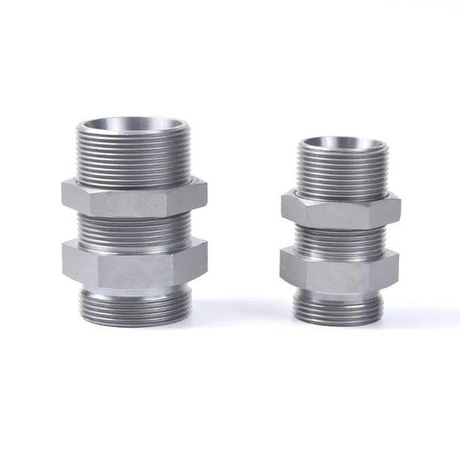
In conclusion, high-quality industrial hose fittings are defined by their materials, design, and compliance with industry standards. These fittings play a crucial role in ensuring the efficient and safe transfer of fluids and gases in various industrial applications. By understanding the key features that distinguish superior fittings, manufacturers and users can select components that meet their specific needs and operational requirements. For more information on 20411-Y DIN24° Integrated Hose Fitting, visit our product page.