Views: 0 Author: Site Editor Publish Time: 2026-01-28 Origin: Site


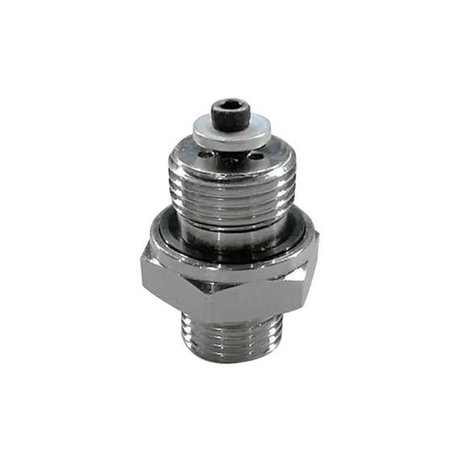
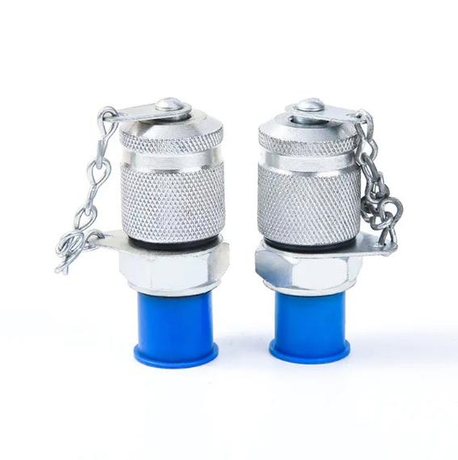
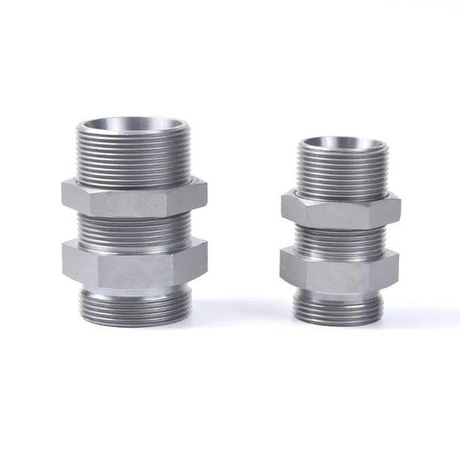
Hose fittings are critical components in hydraulic systems, serving as connectors that facilitate the efficient transmission of hydraulic fluid. These fittings are essential for maintaining the integrity and performance of hydraulic systems across various industries. Understanding the different types of hose fittings and their applications is crucial for ensuring optimal system functionality. This article delves into the specifics of Hose Fitting for Transmitting Hydraulic Fluid, exploring their design, materials, and the role they play in hydraulic systems.
Hose fittings come in various types, each designed to meet specific needs and applications. The most common types include crimp fittings, reusable fittings, and push-on fittings. Crimp fittings are widely used due to their secure connection and ease of installation. They are typically used in high-pressure applications where reliability is paramount. Reusable fittings, on the other hand, offer flexibility as they can be easily detached and reattached, making them ideal for applications where frequent hose changes are necessary. Push-on fittings are designed for low-pressure applications and are valued for their quick and easy installation.
Crimp fittings are a staple in hydraulic systems due to their ability to withstand high pressures and provide a leak-proof seal. These fittings are installed using a crimping tool that compresses the fitting onto the hose, ensuring a secure connection. Crimp fittings are often made from durable materials such as carbon steel or stainless steel, providing excellent resistance to corrosion and wear. The use of crimp fittings is prevalent in industries such as construction, agriculture, and manufacturing, where hydraulic systems are subjected to rigorous conditions.
Reusable fittings offer a versatile solution for hydraulic systems that require frequent maintenance or hose replacements. These fittings can be easily disassembled and reassembled, allowing for quick hose changes without the need for specialized tools. Reusable fittings are typically made from robust materials like carbon steel with zinc or carbon steel with ZnNi coatings, enhancing their durability and resistance to environmental factors. They are commonly used in applications where downtime must be minimized, such as in mobile equipment and field repairs.
Push-on fittings are designed for low-pressure applications and are known for their ease of installation. These fittings do not require clamps or crimping tools, making them ideal for quick and temporary connections. Push-on fittings are often used in automotive and light industrial applications where the hydraulic system operates at lower pressures. Despite their simplicity, push-on fittings must be selected carefully to ensure compatibility with the hose material and the hydraulic fluid being used.
The choice of material for hose fittings is crucial as it directly impacts the performance and longevity of the hydraulic system. Common materials used in hose fittings include carbon steel, stainless steel, and brass. Each material offers distinct advantages and is selected based on the specific requirements of the application.
Carbon steel is a popular choice for hose fittings due to its strength and durability. It is capable of withstanding high pressures and is resistant to mechanical wear. Carbon steel fittings are often coated with zinc or ZnNi to enhance their corrosion resistance, making them suitable for use in harsh environments. These fittings are commonly used in heavy-duty applications such as construction and mining.
Stainless steel fittings are known for their excellent corrosion resistance and are ideal for applications involving corrosive fluids or environments. They are often used in industries such as chemical processing, marine, and food and beverage, where hygiene and resistance to corrosion are critical. Stainless steel fittings are more expensive than carbon steel fittings but offer superior longevity and reliability.
Brass fittings are commonly used in low-pressure applications and are valued for their machinability and resistance to corrosion. They are often used in plumbing and automotive applications where the hydraulic system operates at lower pressures. Brass fittings are not suitable for high-pressure applications but offer an economical solution for less demanding environments.
Hose fittings are used in a wide range of applications across various industries. Their primary function is to ensure a secure and leak-proof connection between hoses and other components in a hydraulic system. The applications of hose fittings are diverse, ranging from industrial machinery to automotive systems.
In industrial machinery, hose fittings are used to connect hydraulic hoses to pumps, valves, and actuators. They play a critical role in maintaining the efficiency and reliability of hydraulic systems that power heavy machinery such as excavators, cranes, and loaders. The choice of hose fitting is crucial in these applications to ensure that the system can withstand the high pressures and demanding conditions of industrial environments.
In the automotive industry, hose fittings are used in hydraulic brake systems, power steering systems, and transmission systems. They ensure the safe and efficient transmission of hydraulic fluid, which is essential for the proper functioning of these systems. The reliability of hose fittings in automotive applications is critical as any failure can lead to significant safety risks.
Agricultural equipment relies heavily on hydraulic systems for various functions such as lifting, steering, and braking. Hose fittings are used to connect hydraulic hoses to tractors, harvesters, and other agricultural machinery. The fittings must be durable and resistant to environmental factors such as dust, moisture, and temperature fluctuations to ensure reliable performance in agricultural settings.
Hose fittings are indispensable components in hydraulic systems, ensuring the efficient and reliable transmission of hydraulic fluid. The choice of hose fitting, whether it be a crimp fitting, reusable fitting, or push-on fitting, depends on the specific requirements of the application. Materials such as carbon steel, stainless steel, and brass offer different advantages, allowing for the selection of the most suitable fitting for the intended use. Understanding the various types of hose fittings and their applications is essential for maintaining the integrity and performance of hydraulic systems. For more detailed information on selecting the right Hose Fitting manufacturer, it is advisable to consult with experts in the field.