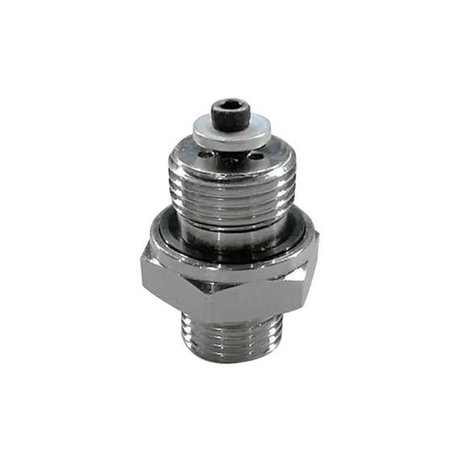
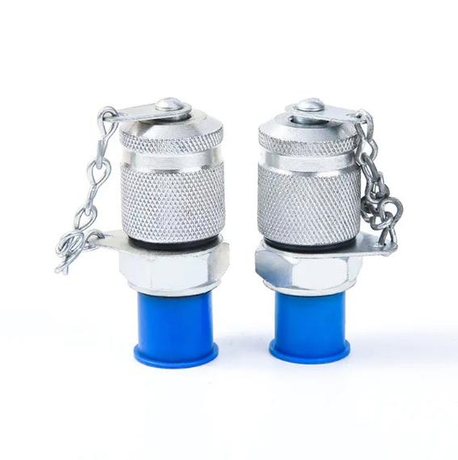
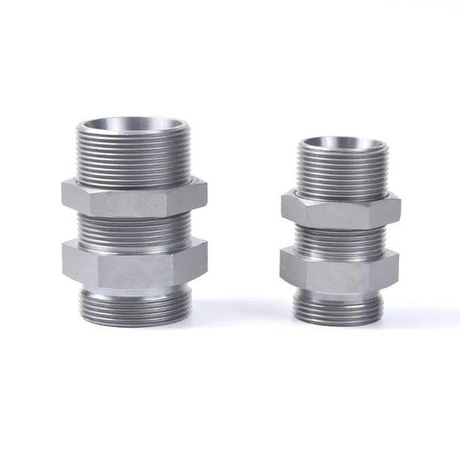
A pressure gauge connector is an important component used to connect a pressure gauge to a hydraulic or other pressurized system. It provides a secure connection between the pressure gauge and the pressure source, allowing pressure to be measured and monitored during equipment operation.
Depending on the system design, pressure gauge connectors are available in different connection types, materials, and configurations. Understanding their basic structure and applications can help users select a suitable connector for their pressure measurement requirements.
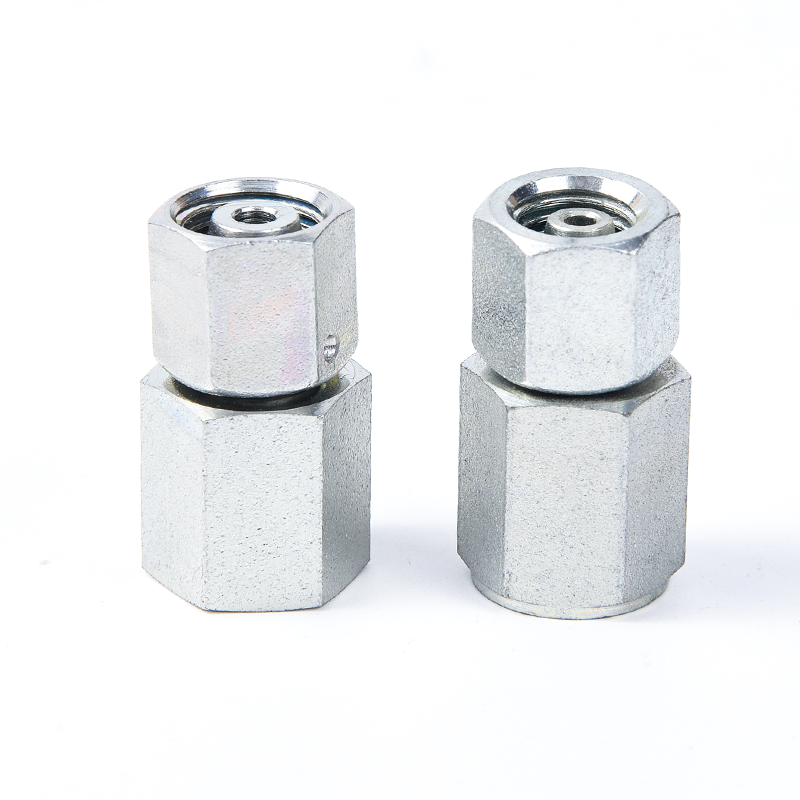
What Is a Pressure Gauge Connector?
A pressure gauge connector is a fitting used to connect a pressure gauge to a pressure point in a hydraulic system or other pressurized equipment.
In hydraulic applications, pressure gauge connectors can provide a convenient connection point for pressure measurement and system diagnostics. Some hydraulic test point designs also incorporate an internal check valve, which helps prevent fluid leakage when the measuring device is disconnected.
The actual design depends on the pressure rating, connection type, installation requirements, and application.
Main Components of a Pressure Gauge Connector
A typical pressure gauge connector may consist of several basic components.
Gauge Connection
The gauge connection is the part that connects to the pressure gauge. Depending on the design, it can use different thread standards and sizes to match the gauge connection.
Process or System Connection
This connection attaches the pressure gauge connector to the hydraulic circuit, pipeline, or other pressure source. The connection type should match the corresponding port on the system.
Sealing Element
A sealing element helps prevent leakage between the connector and the connected components. Depending on the design, this may include an O-ring, gasket, or other sealing method.
Connector Body
The body is the main structural part of the connector. It houses the connection passages and other internal components. Common material options can include steel, stainless steel, brass, or other materials depending on the application.
Additional Components
Some pressure gauge connectors or hydraulic test point assemblies may include additional components such as a check valve, protective cap, swivel connection, or pressure relief function.
For hydraulic test points, spring-loaded internal valves are commonly used to keep the connection closed when the test hose or measuring device is disconnected.
Types of Pressure Gauge Connectors
Pressure gauge connectors can be designed in different configurations according to the installation and connection requirements.
Common configurations include:
Straight pressure gauge connectors
90-degree pressure gauge connectors
Bulkhead pressure gauge connections
Direct gauge adapters
Hydraulic test point connectors
Pressure gauge couplings
The appropriate type depends on the available installation space, connection direction, pressure requirements, and measuring equipment.
For example, a 90-degree connector can be useful where a straight connection is difficult to install, while a hydraulic test point can provide a convenient access point for temporary pressure measurement.
Applications of Pressure Gauge Connectors
Pressure gauge connectors are used in many systems where pressure needs to be measured or monitored.
Hydraulic Systems
In hydraulic equipment, pressure gauge connectors can be installed at important points in the hydraulic circuit to help technicians check system pressure and diagnose operating conditions.
Hydraulic test points are particularly useful because they can provide a dedicated connection point for pressure measurement without repeatedly disconnecting hydraulic hoses or pipes.
Industrial Equipment
Pressure gauge connectors can also be used in industrial machinery and fluid power systems where pressure monitoring is required.
Construction and Agricultural Machinery
Hydraulic systems in construction and agricultural equipment often require pressure testing during maintenance and troubleshooting. Suitable pressure gauge connectors and test points can provide convenient access to the hydraulic circuit.
Pressure Testing and Maintenance
During equipment maintenance, pressure measurement can help technicians identify abnormal operating conditions and evaluate hydraulic system performance.
A suitable pressure gauge connector makes it easier to connect the measuring device to the required pressure point.
How to Choose a Pressure Gauge Connector?
Several factors should be considered when selecting a pressure gauge connector:
Connection type and thread size: The connector should match both the pressure gauge and the system port.
Working pressure: The connector should be suitable for the expected system pressure.
Material: The material should be compatible with the working fluid and operating environment.
Installation space: Straight, 90-degree, bulkhead, or swivel configurations may be selected according to available space.
Sealing method: The sealing design should be suitable for the connection and operating conditions.
Application: Hydraulic testing, industrial pressure monitoring, and other applications may require different connector configurations.
Conclusion
Pressure gauge connectors provide a practical connection between pressure gauges and pressurized systems. Their structure may include a gauge connection, system connection, sealing element, connector body, and additional components depending on the design.
In hydraulic applications, pressure gauge connectors and hydraulic test points can provide convenient access for pressure measurement, maintenance, and system diagnostics.
Selecting the right connector requires consideration of the connection type, pressure rating, material, sealing method, installation space, and specific application requirements.
NBFK supplies hydraulic fittings and hydraulic components for various industrial and hydraulic applications. Contact us with your required connection, pressure, material, and application details to discuss a suitable solution.